
KAKAMEGA FOREST RESERVE
Safari Back in Time
You don’t have to imagine how Africa looked, sounded, and felt hundreds of years ago. Just book a trip to the Kakamega Forest Reserve, the last primeval rainforest in Kenya. It’s like time traveling to a thick canopied world where the sounds of birds, frogs, monkeys, and waterfalls invite you into a mysterious past.
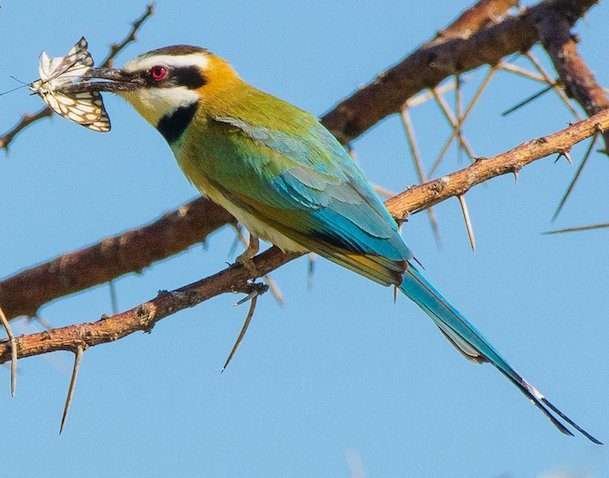
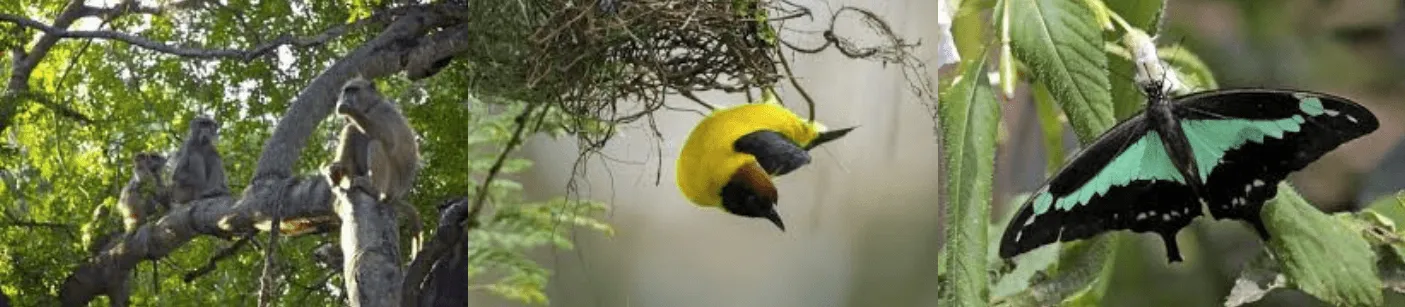
The only tropical rainforest in Kenya, it’s a taste of how the continent used to appear – draped with overhead vegetation and painted with the colors of 300 species of birds and 400 types of butterflies.
Most of the native African forest is now gone, a victim of tea plantations and other development, but you can walk the trails here as they were a millennia ago past ferns and orchids, spotting mongooses, civets, red-tailed monkeys, baboons, and cobras, vipers, and even green mamba snakes.
A True Jungle
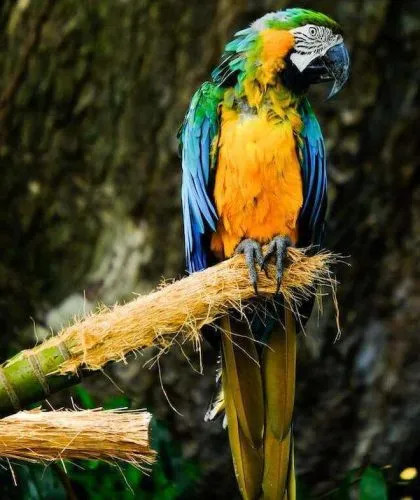
At one time this jungle covered most of central and East Africa. Now only ten percent of that area remains, making Kakamega even more precious. A safari here is not one of traditional big game but of the smaller species like aardvarks, porcupine, giant forest hogs, colobus monkeys, parrots, and the black-billed turaco.
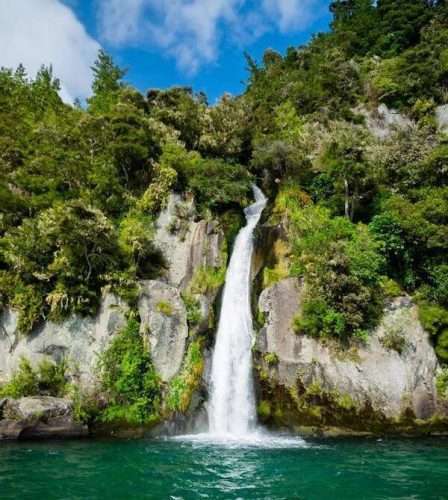
Along with the birds and butterflies you’ll come across waterfalls and giant fig trees, one said to be over 700 years old.
Come Walk With Us
The reserve welcomes you to the fun of a walking safari so step onto the well-marked trails and delve deeper into this primeval world. You can self-guide or take a safari with a ranger from the Kenya Wildlife Service (KWS). Enjoy birdwatching, night walks, and excursions to the park’s lookout points.
Don’t Miss…
The Luya People – These are the indigenous people of the area. Take the time for a cultural encounter one evening to meet this local tribe. They’ll recite ancient stories, perform dances and even give lessons on the use of their traditional medicines.
See the birds – Kakamega is awash in colorful birdlife. The Kenya Forest Service provides 2-hour bird-watching tours at 6:30 am and 4:30 pm. Here’s an opportunity to spot and learn about these bright and lively neighbors.
Sunrise/Sunset – The KWS rangers have organized trips to Lirhanda Hill for early morning and evening views of the day’s colors. Tours are at 5:00 am and 5:00 pm.
Nighttime Walks – The Kenya Wildlife service organizes 2-hour nighttime safaris for a different kind of jungle experience.
Mama Mutere – The oldest and largest tree in the reserve. Standing 40 m (131 ft.) tall and hundreds of years old, this icon of the jungle has provided bark used for traditional medicine.
Isiukhu Falls and Yala River – Known landmarks of Kakamega, these 5 – 7 hour safaris are organized by the KWS.
Survey: Kakamega Forest Reserve
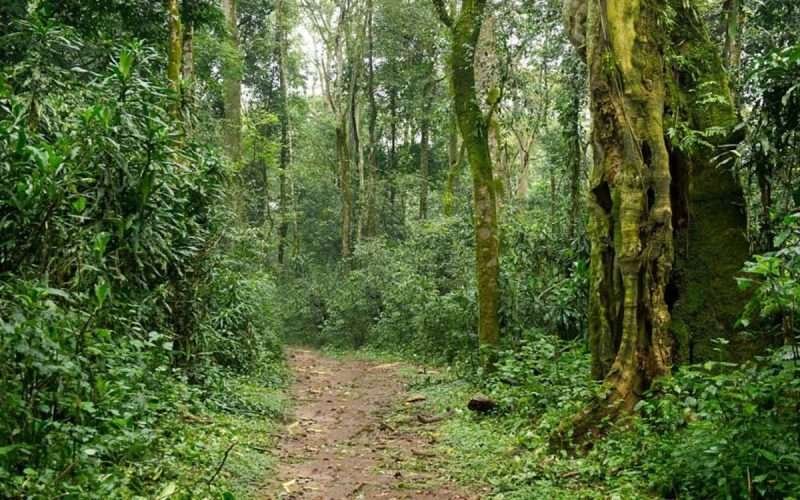
This dense jungle habitat covers 238 sq km (91 sq mi) of lush, ancient growth. Surprisingly, it sits at 1600m (5250 ft) above sea level.
Location: About 348 km (216 mi) northwest of Nairobi.
Climate: Kakamega is a rainforest and that means lots of precipitation – an average of 1200-1700mm (47-67 in) per year. Expect fairly constant temperatures of 250C (770F).
Best time to visit: There is always rain here, it’s just a matter of how much you’d like to enjoy it. April, May, and August are the wet months. There is a bit less rain from December to February.
Operating Hours: 8:00 am to 6:00 pm
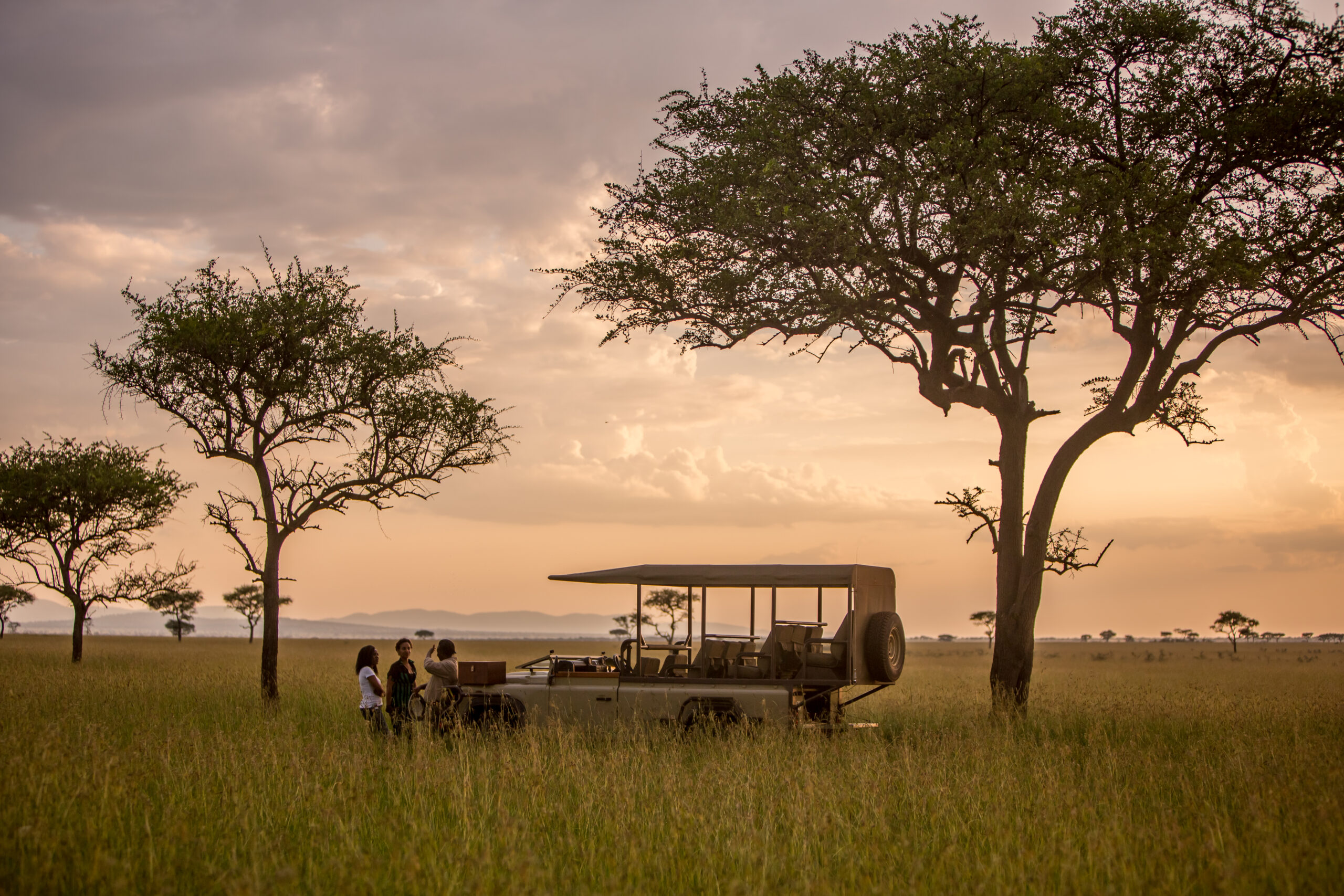
Getting there: You can Book a tour with Aether safari collection. And you’ll go in style – a specially outfitted 4 x 4 safari Jeep.
This is Kakamega
Not your regular African safari but a true slice of how the ancient continent once looked and breathed. Soak up this dense tropical ecosystem for photos and memories like nowhere else in Kenya.
Kakamega Forest Facts & FAQs
Kakamega Forest, Kenya’s last remaining tropical rainforest, offers an array of unique experiences and insights into its rich biodiversity and history. As a treasured natural haven, this verdant sanctuary presents numerous opportunities for adventure and exploration. From understanding its distinctive wildlife and challenging hiking trails to addressing conservation challenges, our FAQ section delves into essential details about Kakamega Forest, ensuring you make the most of your visit while appreciating its ecological significance.
Where is Kakamega Forest located?
Kakamega Forest is located in western Kenya, near the equator. It lies within Kakamega and Nandi Counties, approximately 50 kilometers north of Kisumu City and about 400 kilometers from Nairobi, the capital city.
Geographical Location and Access
Kakamega Forest is a unique rainforest in western Kenya, positioned close to the equator. The forest straddles Kakamega and Nandi Counties, providing a lush, green oasis in the region. The forest can be accessed via a short drive from Kisumu City, which is about 50 kilometers to the south, or from Nairobi, which is approximately 400 kilometers away by road.
Surrounding Areas and Significance
The forest’s proximity to major towns and cities like Kisumu and Eldoret makes it an accessible destination for both local and international visitors. As a remnant of the ancient Guineo-Congolian rainforest, Kakamega Forest is renowned for its rich biodiversity, including numerous endemic species of birds, butterflies, and primates, making it a must-visit for nature enthusiasts and researchers alike.
What animals can be seen in Kakamega Forest National Reserve?
Kakamega Forest National Reserve is home to a variety of wildlife, including unique species such as the De Brazza’s monkey, the blue monkey, and the Great Blue Turaco, along with numerous other bird species, butterflies, and small mammals.
Primate Diversity and Unique Species
Kakamega Forest is renowned for its diverse primate population. Visitors can encounter the striking De Brazza’s monkey, known for its distinctive white beard, as well as the blue monkey and the black-and-white colobus monkey. These primates are a highlight for wildlife enthusiasts, offering a rare glimpse into the lives of these fascinating creatures in their natural habitat.
Birdwatching and Butterfly Enthusiasts’ Paradise
The forest is a haven for birdwatchers, with over 300 species recorded, including the vibrant Great Blue Turaco, the Grey Parrot, and the Turner’s Eremomela. Butterfly enthusiasts will also be delighted by the rich array of butterfly species, with around 400 types fluttering through the forest’s lush canopy. The presence of such diverse wildlife makes Kakamega Forest National Reserve a must-visit destination for nature lovers and researchers alike.
What is the history of Kakamega Forest?
Kakamega Forest’s history dates back to its ancient origins as part of the Guineo-Congolian rainforest that once spanned across Central Africa. It is the only remnant of this ancient forest in Kenya and has been preserved as a national reserve since 1986 to protect its unique biodiversity.
Ancient Origins and Ecological Significance
Kakamega Forest is a relic of the expansive Guineo-Congolian rainforest, an ecosystem that once stretched across much of Central Africa. This forest is the last remaining portion of this vast ecosystem in Kenya, making it an ecological treasure. Its unique blend of flora and fauna, some of which are found nowhere else in the country, highlights its critical role in biodiversity conservation.
Conservation Efforts and Protected Status
The forest was designated as a national reserve in 1986, a move that marked a significant step in preserving its unique biodiversity. This status has helped safeguard the forest from deforestation and exploitation, ensuring that its rich wildlife, including rare bird species and primates, is protected. Conservation efforts continue to focus on maintaining the forest’s ecological balance, providing a sanctuary for research and ecotourism.
What is the entry fee to Kakamega Forest?
At the time of writing, the entry fee to Kakamega Forest National Reserve is approximately $22 for non-resident adults and KES 300 for Kenyan citizens. Rates may vary for children and vehicles.
Entry Fees for Non-Residents and Residents
Kakamega Forest National Reserve offers different entry fee structures depending on visitor status. Non-resident adults are typically charged around $22, while Kenyan citizens enjoy a discounted rate, with adult entry fees set at KES 300. These fees contribute to the conservation and maintenance of the forest’s unique biodiversity.
Additional Costs and Considerations
Visitors should also be aware of potential additional costs, such as vehicle entry fees and charges for guided tours. It’s advisable to confirm the latest fees with local authorities or through the Kenya Wildlife Service, as prices may be subject to change. These charges are crucial for supporting the reserve’s conservation efforts and ensuring a sustainable tourism experience.
What is unique about Kakamega Forest?
Kakamega Forest is unique as it is the last remnant of the ancient Guineo-Congolian rainforest that once spanned Central and East Africa. This forest is home to an exceptional array of flora and fauna, including rare bird species, endemic butterflies, and unique plant life.
A Rare Tropical Rainforest Ecosystem
Kakamega Forest stands out as the only remaining fragment of the vast Guineo-Congolian rainforest in Kenya, making it a vital conservation area. Its lush, dense canopy supports a rich biodiversity, offering habitat to over 400 bird species, some of which are endemic or rare. The forest’s diverse ecosystem also includes a wide variety of trees, such as the Elgon teak, and numerous medicinal plants, showcasing a unique blend of African flora.
Biodiversity Hotspot and Conservation Importance
The forest’s uniqueness extends to its role as a biodiversity hotspot. Apart from its rich birdlife, Kakamega Forest is home to over 300 species of butterflies, numerous mammals like the Colobus monkey, and an array of reptiles and amphibians. This biological wealth underscores the forest’s importance for conservation, providing researchers and nature enthusiasts a glimpse into the complex ecosystems that once covered much of the region. The conservation efforts here are crucial to preserving this natural heritage for future generations.
How big is Kakamega Forest?
Kakamega Forest covers an area of approximately 238 square kilometers (92 square miles), making it the largest remaining portion of the Guineo-Congolian rainforest in Kenya.
Significance of Kakamega Forest’s Size
Spanning 238 square kilometers, Kakamega Forest is a vital conservation area that preserves a unique rainforest ecosystem. Its size not only supports a diverse range of flora and fauna but also provides critical habitat for many endangered and endemic species. The forest’s expanse includes various ecosystems, from dense primary forest areas to regenerating secondary growth, which collectively contribute to its rich biodiversity and ecological importance.
Conservation and Ecotourism Opportunities
The considerable size of Kakamega Forest offers ample opportunities for ecotourism and research. Visitors can explore its extensive network of trails, witnessing the vast array of birdlife, butterflies, and plant species that thrive within this tropical rainforest. The forest’s large area also plays a crucial role in climate regulation and water catchment, benefiting surrounding communities. As such, efforts to protect and maintain Kakamega Forest are essential for preserving this unique natural environment and the ecological services it provides.
What kind of snakes are in Kakamega Forest?
Kakamega Forest is home to a variety of snake species, including the venomous black mamba, forest cobra, and the non-venomous African rock python.
Diverse Snake Species in Kakamega Forest
Kakamega Forest hosts an impressive array of snake species, reflecting its rich biodiversity. Among the most notable are the black mamba and the forest cobra, both known for their potent venom and significant size. These snakes play crucial roles in the forest’s ecosystem by controlling rodent populations and maintaining ecological balance. The African rock python, a non-venomous species, is also commonly found in the forest, known for its immense size and ability to constrict prey.
Ecological Role and Safety Considerations
The snakes in Kakamega Forest contribute to the ecological health of the region, serving as both predators and prey within the food web. Visitors to the forest should exercise caution and respect these reptiles by staying on designated trails and avoiding any attempts to handle or disturb them. For those interested in herpetology or simply observing these fascinating creatures, guided tours with experienced naturalists offer safe and educational encounters, highlighting the importance of these snakes to the forest’s biodiversity.
What are the problems facing Kakamega Forest?
Kakamega Forest faces significant challenges including deforestation, habitat loss, and illegal logging, which threaten its biodiversity and ecological balance.
Deforestation and Habitat Loss
One of the primary challenges facing Kakamega Forest is deforestation. The forest has been significantly reduced in size due to the clearing of land for agriculture and human settlements. This deforestation not only decreases the forest area but also fragments habitats, making it difficult for wildlife to thrive. The loss of trees and vegetation impacts the forest’s ability to support its diverse range of species, from primates to birds and insects. Additionally, the destruction of habitats can lead to the extinction of endemic species that are unique to this forest.
Illegal Logging and Conservation Efforts
Illegal logging is another major issue in Kakamega Forest. This activity is driven by the demand for timber and wood products, leading to the depletion of valuable tree species. The removal of these trees not only diminishes the forest cover but also disrupts the ecosystem, affecting water cycles and soil stability. Conservation efforts are underway to combat these problems, including reforestation projects, community awareness programs, and stricter enforcement of environmental regulations. By involving local communities and promoting sustainable practices, there is hope for preserving this vital forest and its rich biodiversity for future generations.
How old is Kakamega Forest?
Kakamega Forest is estimated to be over 200 million years old, making it one of the oldest and most biodiverse forests in Kenya.
Ancient Origins and Biodiversity
Kakamega Forest’s ancient origins date back to a time when it was part of the vast tropical rainforest that once covered much of Central and East Africa. Over millions of years, the forest has evolved into a unique ecosystem, rich in biodiversity. The forest’s age has allowed it to become a sanctuary for a variety of species, many of which are endemic and cannot be found anywhere else in the world. This includes a wide range of flora and fauna, from towering indigenous trees to rare bird species, butterflies, and primates.
Ecological Significance and Conservation
The ancient and undisturbed nature of Kakamega Forest provides invaluable insights into ecological processes and the history of African rainforests. Its age and continuity are critical for the study of biodiversity, climate change, and conservation strategies. However, despite its ecological importance, Kakamega Forest faces threats from human activities such as deforestation and illegal logging. Conservation efforts are essential to preserve this ancient forest, ensuring that its unique ecosystems and species are protected for future generations. Through sustainable practices and community engagement, there is hope for maintaining the forest’s integrity and ecological balance.
What kind of monkeys are in Kakamega Forest?
Kakamega Forest is home to several species of monkeys, including the Blue Monkey, Red-tailed Monkey, and the rare De Brazza’s Monkey.
Diverse Primate Species
Kakamega Forest boasts a rich diversity of primate species, offering visitors a unique opportunity to observe these fascinating creatures in their natural habitat. The Blue Monkey, also known as the Gentle Monkey, is commonly seen here, characterized by its distinctive white throat and chest patches. Another frequent sight is the Red-tailed Monkey, identifiable by its striking red tail and vibrant facial markings. These monkeys are often found in the forest canopy, foraging for fruits, leaves, and insects.
The Elusive De Brazza’s Monkey
Among the most notable residents of Kakamega Forest is the elusive De Brazza’s Monkey. Known for its striking appearance with a white beard and a blue-grey body, this monkey is more challenging to spot due to its shy nature and preference for dense vegetation. The De Brazza’s Monkey is an endangered species, making sightings in Kakamega Forest particularly special for wildlife enthusiasts and conservationists. The presence of such rare primates highlights the ecological importance of Kakamega Forest as a crucial sanctuary for preserving biodiversity in Kenya.
What animals are endangered in Kakamega Forest?
In Kakamega Forest, endangered animals include the De Brazza’s Monkey, the African Golden Cat, and various species of birds such as the Turner’s Eremomela.
De Brazza’s Monkey
The De Brazza’s Monkey is one of the most endangered species in Kakamega Forest. Recognizable by its distinctive white beard and blue-grey fur, this elusive primate faces threats from habitat loss and hunting. Conservation efforts are crucial to protect this rare species, as it relies on the dense forest cover for survival. The forest’s unique ecosystem provides a critical sanctuary for the De Brazza’s Monkey, making its conservation a priority.
African Golden Cat and Rare Birds
Another endangered animal in Kakamega Forest is the African Golden Cat, a solitary and elusive feline known for its golden-brown fur and secretive nature. The forest’s dense vegetation provides essential cover for this rare cat, but its population is threatened by habitat destruction and poaching. Additionally, Kakamega Forest is home to several endangered bird species, including Turner’s Eremomela. Protecting these species involves preserving their natural habitat and supporting ongoing conservation initiatives to ensure their survival.
Is Kakamega Forest good for hiking?
Yes, Kakamega Forest is an excellent destination for hiking, offering a range of trails that cater to different levels of experience and interests.
Diverse Hiking Trails
Kakamega Forest boasts a variety of hiking trails that allow visitors to explore its rich biodiversity and lush landscapes. The forest features well-maintained paths that wind through its dense canopy, providing opportunities to see diverse wildlife and unique plant species. Hikes range from short, leisurely walks to more challenging routes, making it suitable for both casual walkers and avid hikers. Guided hikes are available to enhance the experience with expert insights into the forest’s ecology.
Scenic and Educational Experience
Hiking in Kakamega Forest not only offers scenic beauty but also a chance to learn about the forest’s ecological significance. As you trek through the verdant undergrowth, you’ll encounter rare flora and fauna, including endangered species and unique birdlife. The forest’s tranquil atmosphere and rich biodiversity make it a rewarding destination for nature enthusiasts and conservationists. For a deeper understanding, consider joining a guided tour to gain valuable knowledge about the forest’s conservation efforts and its role in Kenya’s natural heritage.
Choose Your East Africa Safari Tour
Our Africa Safaris in Kenya, Tanzania & Zanzibar
Check out our many East Africa safari tours:

NAIROBI EXCURSIONS
Aether safari collection offers you full and half-day excursions & trips from Nairobi
KENYA SAFARI FROM NAIROBI
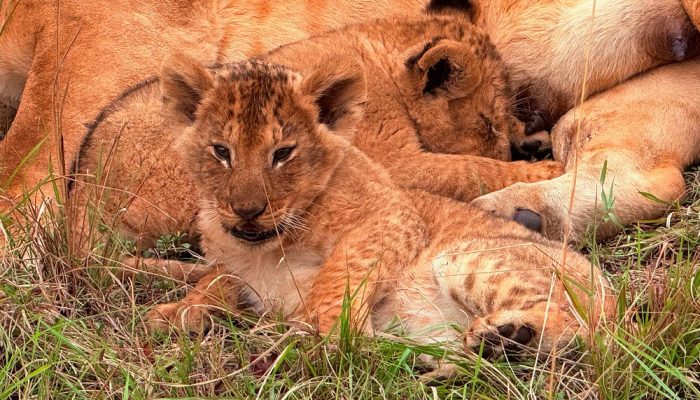
Explore our multi-day Kenya safari adventures ranging from 2 – 12 days from Nairobi.

NAIROBI TO DIANI BEACH SAFARIS
Enjoy a Kenya wildlife safari then finish up your holiday at Kenya’s Diani Beach.

DIANI BEACH KENYA SAFARIS
Explore our Kenya safaris from beach resorts of Diani – voted Africa’s leading beach destination
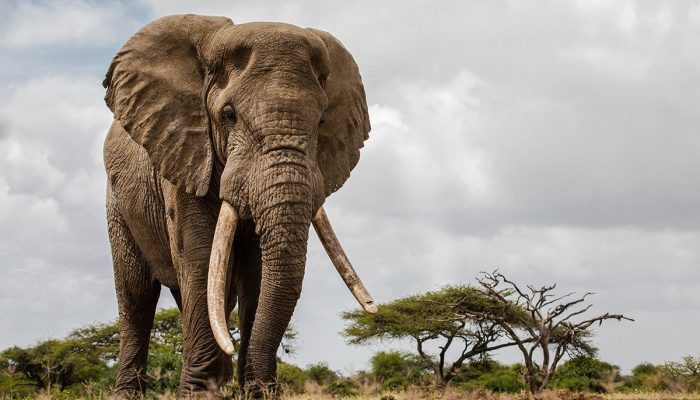
AMBOSELI KENYA SAFARIS
Explore Amboseli – famous for large herds of elephants and scenic views of Mount Kilimanjaro
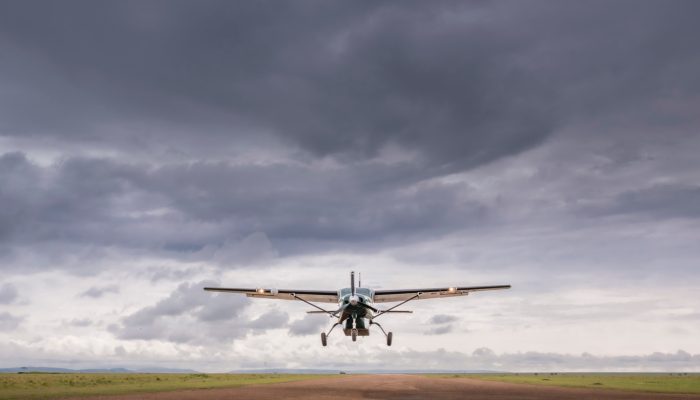
KENYA FLIGHT SAFARIS
Book Kenya flight Safaris and explore Masai Mara, Amboseli, Samburu & Lewa Conservancy.
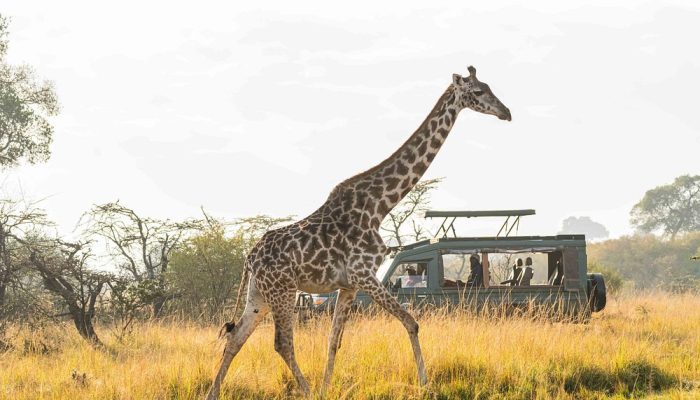
MASAI MARA KENYA SAFARIS
Masai Mara is home of the Great Wildebeest Migration, Big Five of Africa, Big cats, Masai culture etc.
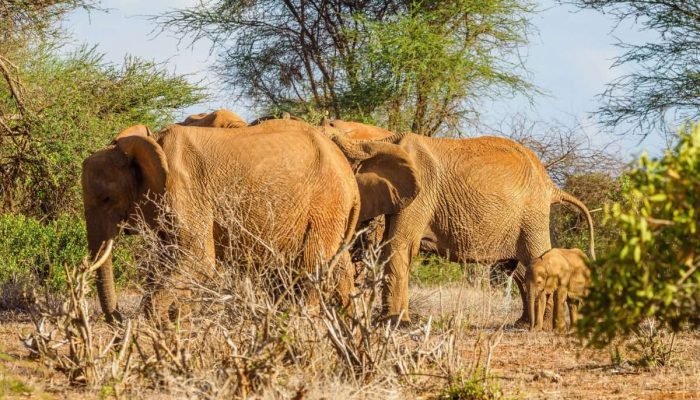
KENYA BEACH TO NAIROBI SAFARIS
Book Exciting African safaris starting from/to the beautiful Diani beach resorts
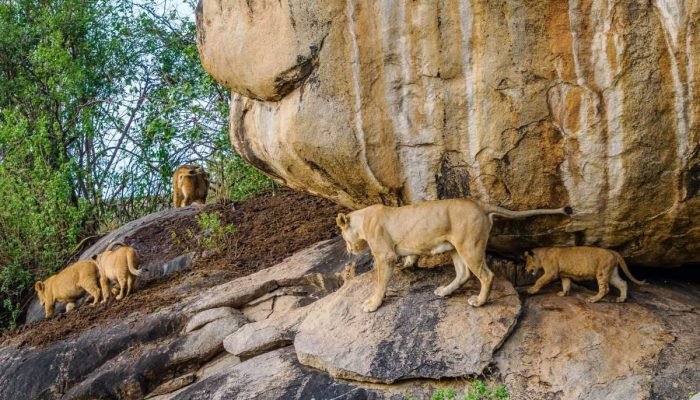
KENYA-TANZANIA SAFARIS
Experience wildlife parks, beaches and mountains of Kenya & Tanzania.
KENYA SAFARI & DIANI BEACH
Experience the best of both worlds – a thrilling Kenya safari and a dream Diani beach vacation

KENYA SHORT GROUP SAFARIS
Join our exciting Kenya short Group safari Tours from Nairobi in 4×4 safari jeeps
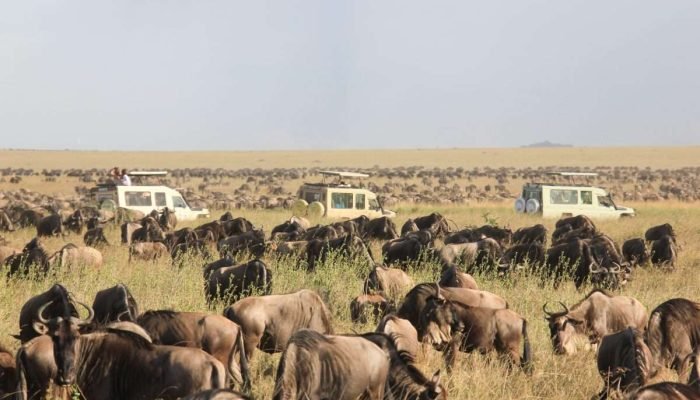
TANZANIA SAFARI HOLIDAYS
Exciting 4×4 Tanzania safaris from Arusha town. Explore Serengeti, Ngorongoro, Manyara & Tarangire.

ZANZIBAR BEACH HOLIDAYS
Pre/post your African safari holiday in Kenya & Tanzania, ‘escape’ to Africa’s leading beach destination – Zanzibar!
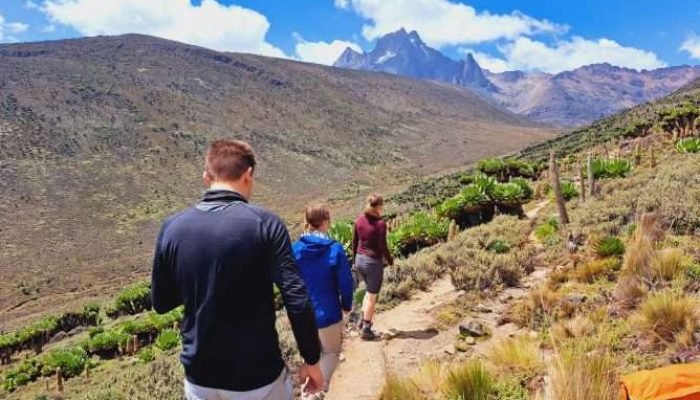
MOUNTAIN CLIMBING TOURS
Best Africa mountain climbing adventure tour packages and safaris. Climb Mount Kenya and Mount Kilimanjaro

EAST AFRICA BEACH HOLIDAYS
Best family-friendly beach holidays on the sandy beaches of Mombasa, Diani, Malindi, Watamu, Lamu & Zanzibar
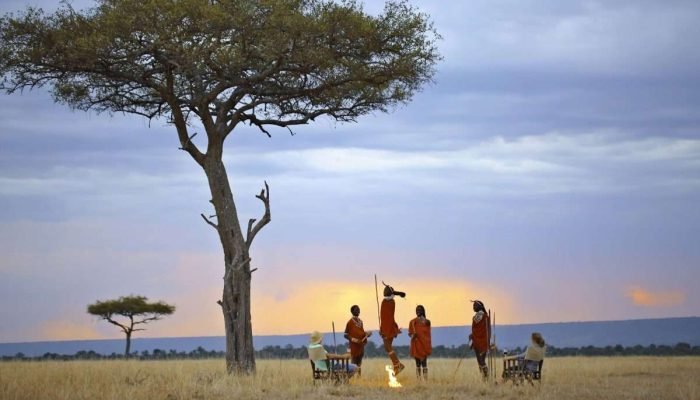
HOLIDAY EXPERIENCES
You came to Africa to live an experience – to see the Big 5, Big cats, wildebeest migration & so much more!
Customize your dream African safari
At Aether safari collection we are always flexible with your options, we will offer our thoughts on seasons, budgets, lifestyle, accommodations, first-hand experience of the parks, and all the possible activities to fill out your safari story. We’ll work with your impressions and dreams and add our ideas on which to build your adventure.