
African Buffalo
Your Complete Guide
Aether safari collection > Wild Animals > African Buffalo
Introducing the African Buffalo, Nature's Formidable Powerhouse
Powerful, unpredictable, and unmistakable, the African buffalo is one of the continent’s most formidable wild animals. Often seen in large, imposing herds, these massive bovines roam the savannahs and woodlands of East Africa, commanding respect from predators and safari-goers alike. As a proud member of the legendary Big Five, the buffalo is a thrilling sight on any game drive—its heavy horns and intense gaze a reminder of Africa’s untamed spirit.
In this guide, you’ll discover fascinating facts about the African buffalo, where to find them in Kenya and Tanzania, and answers to some of the most common questions from safari travelers.
Top 10 African Buffalo Facts
1. African buffalo are part of the Big Five
The African buffalo is one of Africa’s Big Five—alongside lions, leopards, rhinos, and elephants—because of its size, strength, and unpredictable nature. Seeing one in the wild is a highlight for many safari-goers.
2. They are not related to the water buffalo
Despite the similar name, African buffalo (Syncerus caffer) are not closely related to the Asian water buffalo. They are a completely separate species and have never been domesticated due to their aggressive and unpredictable temperament.
3. African buffalo live in large herds
Buffalo are highly social animals and often live in herds that can number in the hundreds. These herds provide protection against predators, with individuals coordinating to defend the group.
4. They are incredibly strong and powerful
An adult male African buffalo can weigh up to 900 kg (nearly 2,000 lbs) and stand about 1.5 meters tall at the shoulder. Their strength and thick, fused horns make them capable of fending off lions and even overturning vehicles if threatened.
5. Buffalo are considered one of the most dangerous animals in Africa
Nicknamed “Black Death,” the African buffalo is responsible for more fatal attacks on humans in Africa than many other wild animals. They are known to charge without warning, especially when injured or protecting the herd.
6. They have excellent memories
African buffalo can remember the faces of other animals and even humans. This strong memory helps them recognize past threats or members of the herd, enhancing their survival instincts.
7. They play an important role in the ecosystem
By grazing on grasses and shrubs, buffalo help manage vegetation growth and maintain the health of savannah ecosystems. Their movements also create pathways used by other animals and contribute to seed dispersal.
8. They are rarely hunted by predators alone
While lions are their primary predators, African buffalo are rarely taken down by a single lion. It typically takes a coordinated pride attack, and even then, buffalo can inflict serious injuries in their defense.
9. Calves are protected at the center of the herd
When the herd moves or faces a threat, calves are herded into the middle of the group where they are safest. Adult buffalo—particularly females—are fiercely protective of the young.
10. You can see them in Kenya and Tanzania
African buffalo are commonly seen in major parks like Kenya’s Masai Mara and Amboseli, and Tanzania’s Serengeti and Ngorongoro Crater. Their large herds and dramatic presence make them a favorite for safari travelers.
African Buffalo Conservation & Protection
African buffalo populations remain relatively stable across much of East Africa, but they still face threats from habitat loss, disease, and human-wildlife conflict. Conservation efforts are crucial to ensure these iconic animals continue to thrive in the wild. As natural grazers, buffalo play a key role in maintaining the health of grassland ecosystems, making their protection essential for the balance of the wider savannah habitat.
National parks in Kenya and Tanzania provide a vital refuge for African buffalo. Protected areas like the Masai Mara, Tsavo, and Amboseli in Kenya, and the Serengeti and Ngorongoro Crater in Tanzania, offer safe habitats where buffalo herds can move and graze freely without the pressure of poaching or encroachment. These parks are patrolled by rangers and supported by conservation organizations that monitor buffalo populations and implement anti-poaching strategies to protect them and other wildlife species.
In addition to wildlife protection, these parks contribute to buffalo conservation by supporting local communities through tourism revenue and conservation education. Responsible safari tourism helps create an economic incentive to preserve wildlife and their habitats. By visiting national parks with Aether safari collection, travelers support these ongoing conservation efforts—ensuring future generations can also witness the awe-inspiring presence of African buffalo in the wild.
African Buffalo FAQs - Answers to All Your Buffalo Questions!

How much does a African buffalo weigh?
African buffalo weigh between 500 and 900 kilograms (1,100 to 2,000 pounds), depending on age, sex, and subspecies. Males are generally larger than females and can weigh up to 1,000 kilograms (2,200 pounds) in some cases. Their strong, muscular build makes them one of Africa’s most formidable herbivores.
How big is an African buffalo?
An African buffalo typically measures between 1.0 and 1.7 meters (3.3 to 5.6 feet) tall at the shoulder and can be up to 3.4 meters (11 feet) long, including the tail. They have a stocky, powerful build with a wide chest and thick horns that curve outward and downward. Their size and strength help them fend off predators and survive in harsh savannah environments.
Why are African buffalo so dangerous?
African buffalo are dangerous because they are highly unpredictable and can charge aggressively when threatened, using their powerful horns to inflict serious injuries. They are also large, strong, and often travel in protective herds, making them one of Africa’s most feared and deadly animals.
What do African buffalo eat?
African buffalo eat mostly grasses, making them primarily grazers. They also consume shrubs and other vegetation when grass is scarce, especially during the dry season. Their diet helps maintain the balance of the ecosystem by controlling plant growth.
Where do African buffalo live?
African buffalo live in diverse habitats across sub-Saharan Africa, including savannas, grasslands, and forests. They prefer areas with access to water sources, as they need to drink regularly. These adaptable animals are commonly found in national parks and protected reserves throughout the continent.
How long do African buffalo live?
African buffalo live up to 18 to 22 years in the wild, though their lifespan can be shorter due to predators and environmental challenges. In protected environments like wildlife reserves, they may live longer with fewer threats. Their longevity depends on factors such as habitat quality and herd safety.
How many African buffalo are left in the world?
There are approximately 900,000 African buffalo remaining in the wild, with the majority—about 75%—residing in protected areas across sub-Saharan Africa. The population has declined from over 900,000 in 1999, primarily due to habitat loss, disease, and human-wildlife conflict.
How fast can an African buffalo run?
An African buffalo can run at speeds of up to 35 miles per hour (56 kilometers per hour). This impressive speed helps them escape predators and charge when threatened. Despite their large size, they are surprisingly fast and agile over short distances.
Are African buffalo predators?
African buffalo are not predators; they are herbivores that primarily graze on grasses. However, they are highly defensive and can aggressively protect themselves and their herd from predators like lions and crocodiles. Their strength and protective behavior make them formidable opponents rather than hunters.
Which species hunt African buffalo?
African buffalo are hunted by large predators such as lions, crocodiles, and hyenas. Lions are the most common hunters, often targeting weaker or isolated individuals. These predators rely on teamwork and strength to take down the powerful buffalo.
Are African buffalo aggressive?
African buffalo are highly aggressive and unpredictable, especially when threatened or wounded. They can charge at perceived dangers with great force, using their strong horns to defend themselves. This aggressive behavior makes them one of the most dangerous animals in Africa.
Can African buffalo be domesticated?
African buffalo cannot be domesticated due to their aggressive nature and unpredictable behavior. Unlike domestic cattle, they are wild animals that pose significant risks to humans. Efforts to tame them have largely been unsuccessful, making them unsuitable for farming or as pets.
Are African buffalo herbivores?
African buffalo are indeed herbivores that primarily feed on grasses and other vegetation. They play an important role in their ecosystem by grazing and helping to maintain the balance of plant growth. Their diet also includes shrubs and leaves, especially during dry seasons when grass is scarce.
Are Cape buffalo the same as African buffalo?
African buffalo are often called Cape buffalo, which is a specific subspecies found mainly in southern Africa. While all Cape buffalo are African buffalo, not all African buffalo are Cape buffalo, as the species includes several subspecies across Africa. The Cape buffalo is the most well-known and widespread subspecies.
Do African buffalo migrate?
African buffalo do migrate in response to seasonal changes, especially in search of water and fresh grazing areas. Their movements can cover large distances during dry seasons to find suitable resources. Migration helps them survive harsh conditions and maintain healthy herds.
How do African buffalo defend themselves?
African buffalo defend themselves by using their powerful horns to charge and gore predators or threats. They also rely on their strong herd instincts, forming tight groups to protect vulnerable members. Their size, strength, and aggressive behavior make them formidable opponents against predators.
Why do African buffalo have horns?
African buffalo have horns primarily for defense against predators and to establish dominance within their herd. The horns are strong and curved, allowing them to effectively charge and protect themselves. Additionally, horns play a role in mating battles between males.
See the majesty of the African buffalo on safari
Reading and learning about African buffalo offers valuable insights, but nothing compares to experiencing these magnificent animals in their natural habitat. To witness their strength, behavior, and impressive herds up close, embark on an unforgettable safari adventure with Aether safari collection — where the wild truly comes alive.
Choose Your East Africa Safari Tour
Our Africa Safaris in Kenya, Tanzania & Zanzibar
Check out our many East Africa safari tours:
NAIROBI EXCURSIONS & DAY TRIPS
Aether safari collection offers you full and half-day excursions & trips from Nairobi
KENYA SAFARI TOURS FROM NAIROBI
Explore our multi-day Kenya safari adventures ranging from 2 - 12 days from Nairobi - Africa's safari capital
NAIROBI TO DIANI BEACH SAFARIS
Enjoy a Kenya wildlife safari then finish up your holiday at Kenya’s Diani Beach.

DIANI BEACH KENYA SAFARIS & ACTIVITIES
Explore our Kenya safaris from beach resorts of Diani - voted Africa's leading beach destination
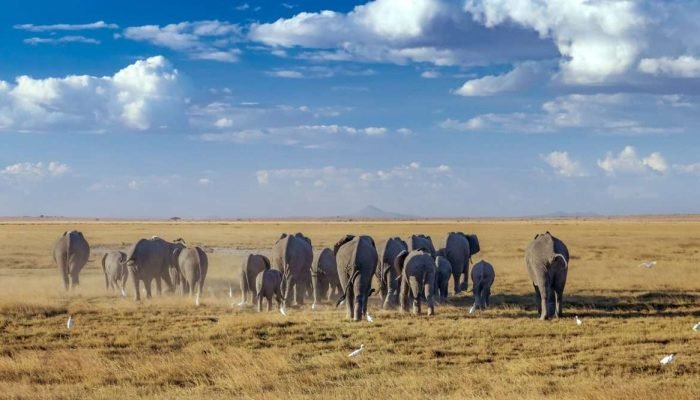
AMBOSELI KENYA SAFARIS
Explore Amboseli - best place to see large herds of free-ranging elephants and scenic views of Mount Kilimanjaro
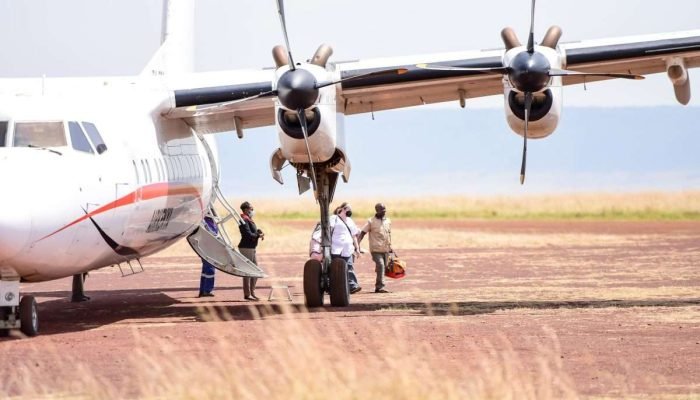
KENYA FLIGHT SAFARIS
Book Kenya flight Safaris and explore Masai Mara, Amboseli, Samburu & Lewa Conservancy.
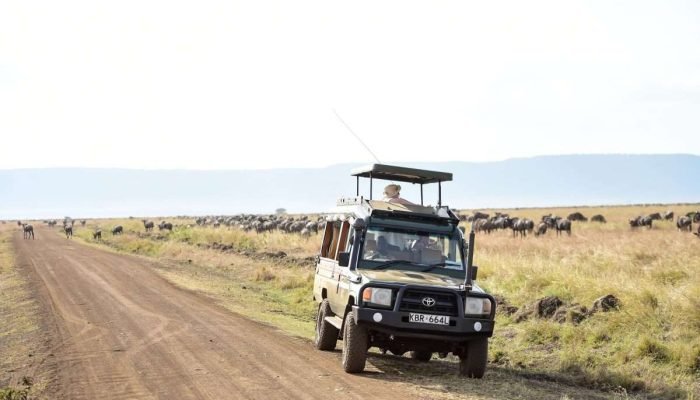
MASAI MARA KENYA SAFARIS
Masai Mara is home of the Great Wildebeest Migration, Big Five of Africa, Big cats, Masai culture etc.
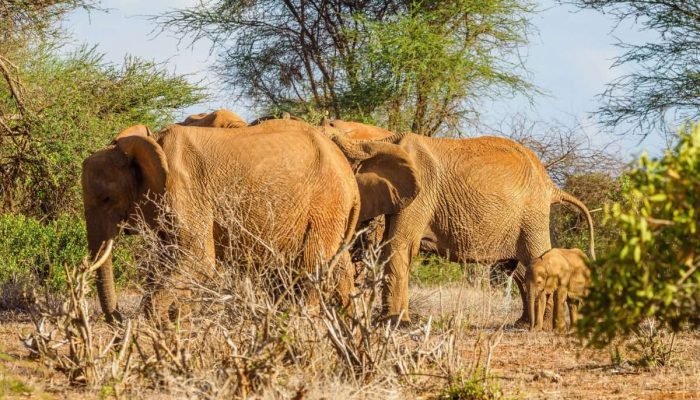
KENYA BEACH TO NAIROBI SAFARIS
Book Exciting African safaris from Diani beach resorts.
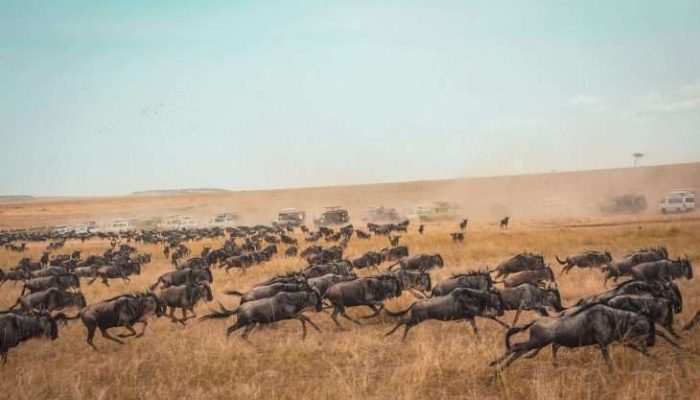
KENYA-TANZANIA SAFARIS
Experience wildlife parks, beaches and mountains of Kenya & Tanzania.
KENYA SAFARI & DIANI BEACH
Experience the best of both worlds - a thrilling Kenya safari and a dream Diani beach vacation

KENYA SHORT GROUP SAFARIS
Join our exciting Kenya short Group safari Tours from Nairobi in 4x4 safari jeeps
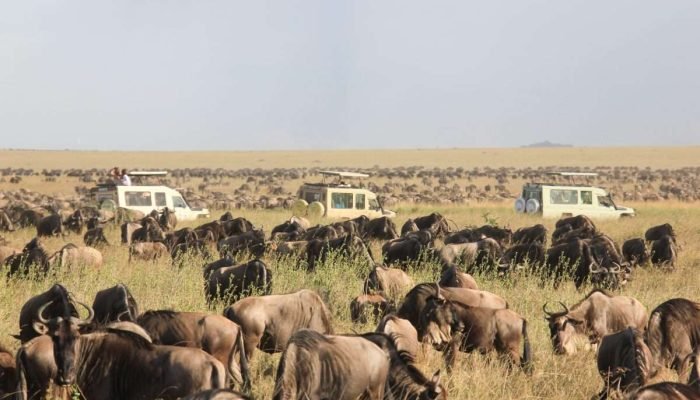
TANZANIA SAFARI HOLIDAYS
Exciting 4x4 Tanzania safaris from Arusha town. Explore Serengeti, Ngorongoro, Manyara & Tarangire.

ZANZIBAR BEACH HOLIDAYS
Pre/post your African safari holiday in Kenya & Tanzania, 'escape' to Africa's leading beach destination - Zanzibar!
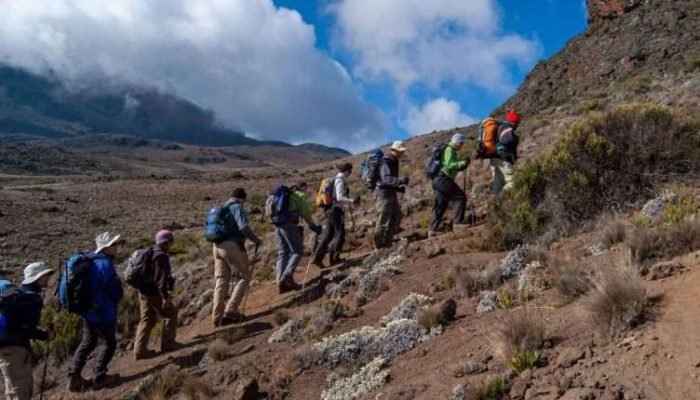
MOUNTAIN CLIMBING ADVENTURES
Best Africa mountain climbing adventure tours. Climb Mount Kenya and Mount Kilimanjaro

EAST AFRICA BEACH HOLIDAYS
Best family-friendly beach holidays on the sandy beaches of Mombasa, Diani, Malindi, Watamu, Lamu & Zanzibar
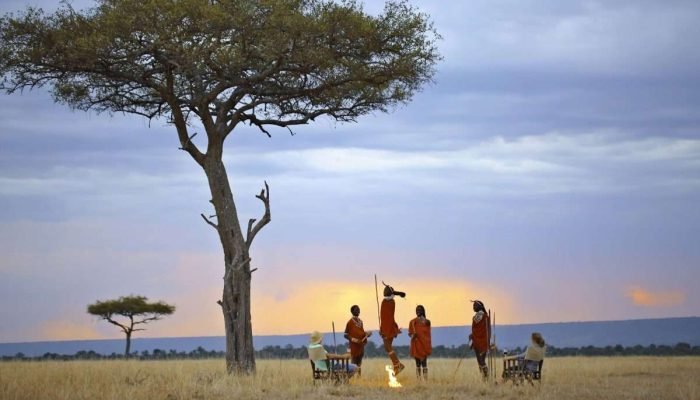
HOLIDAY EXPERIENCES
You came to Africa to live an experience – to see the lions, leopards, great marching elephants up close & so much more!
Customize your dream African safari
At Aether safari collection we are always flexible with your options, we will offer our thoughts on seasons, budgets, lifestyle, accommodations, first-hand experience of the parks, and all the possible activities to fill out your safari story. We’ll work with your impressions and dreams and add our ideas on which to build your adventure.