
Elephants
Your Complete Guide to the Elephant
Aether safari collection > Wild Animals > Elephants
Introducing the Elephant - Majestic, Awe-Inspiring & Intelligent
Majestic, intelligent, and deeply connected to their herds, elephants are among the most awe-inspiring creatures to encounter on safari. As the largest land mammals, they shape their environments, display remarkable emotional depth, and have roamed Africa’s landscapes for millions of years.
This guide delves into fascinating elephant facts, from their incredible memory and communication skills to their vital role in Kenya and Tanzania’s national parks. Whether you’re curious about their social bonds, conservation efforts, or where to see them in the wild, explore our in-depth FAQs and insights—then experience the magic of elephants firsthand on an Aether safari collection adventure.
Elephant Pictures

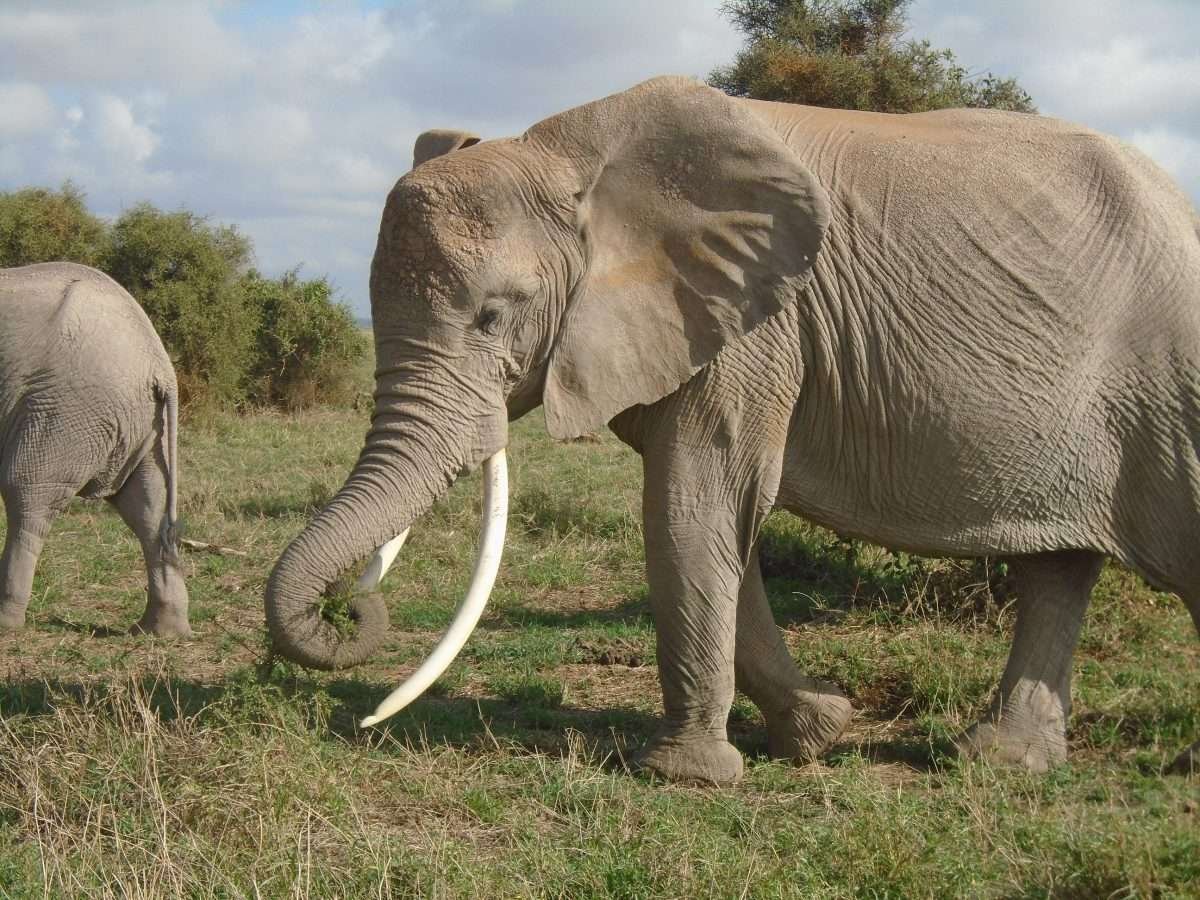
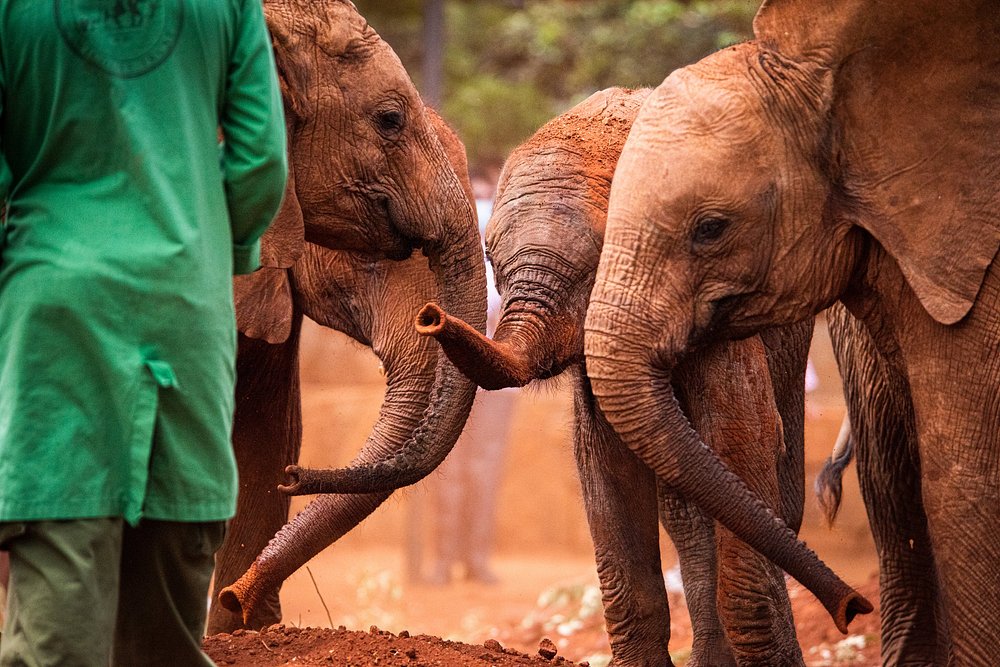
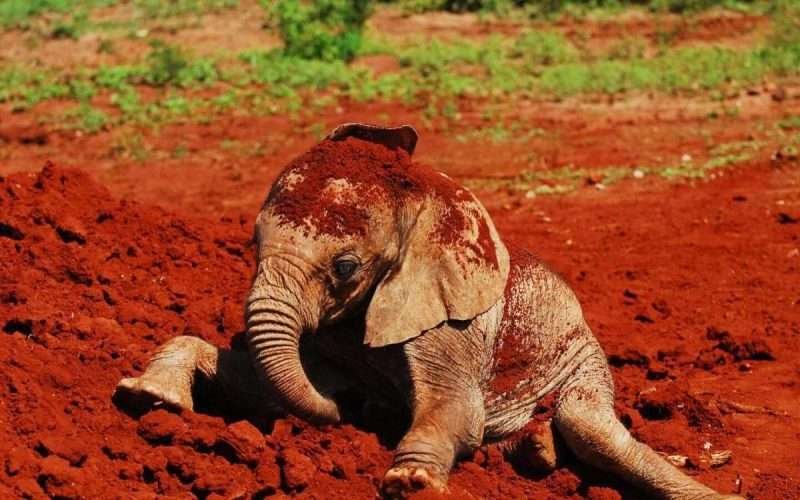
Top 10 Fun Elephant Facts
- Elephants are the Largest Land Mammals – Elephants are the largest land mammals, with African elephants growing up to 4 meters (13 feet) tall and weighing as much as 6,000 kg (13,200 lbs). Their massive size requires them to consume up to 300 kg (660 lbs) of food daily.
- Elephants Have Incredible Memory – Elephants are known for their exceptional memory, allowing them to recognize individuals, recall water sources, and navigate vast landscapes. This ability helps matriarchs lead their herds to safety during droughts or other threats.
- Elephants are Highly Social Animals – Female elephants live in close-knit family groups led by an experienced matriarch, while males tend to be more solitary or form loose bachelor groups. These social bonds are essential for survival, teaching young elephants vital skills.
- Elephants are Powerful Communicators – Elephants use a wide range of vocalizations, body language, and even infrasound (low-frequency sounds) to communicate across long distances. Some calls can be heard by other elephants up to 10 kilometers (6 miles) away.
- Elephants are Intelligent and Emotional – With a brain weighing around 5 kg (11 lbs), elephants are among the most intelligent animals. They display emotions like joy, grief, and compassion, often mourning their dead by gently touching and staying near the remains.
- Elephants are Essential Ecosystem Engineers – Elephants play a vital role in shaping their habitats by clearing vegetation, creating water holes, and dispersing seeds through their dung. Their presence helps maintain healthy ecosystems that support countless other species.
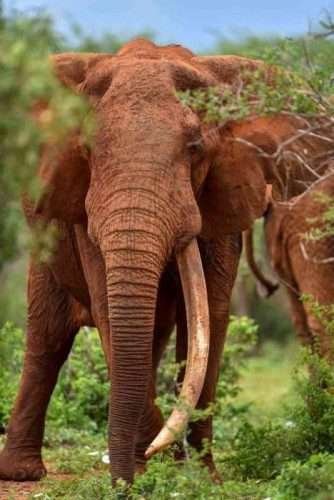
- Elephants Have Distinctive Tusks – Elephant tusks, made of ivory, are actually elongated incisor teeth that continue growing throughout their lives. Unfortunately, poaching for ivory has severely threatened elephant populations, making conservation efforts crucial.
- Female Elephants Have Long Gestation Periods – Elephants have the longest pregnancy of any land animal, lasting about 22 months. A newborn elephant, or calf, weighs around 100 kg (220 lbs) at birth and is cared for by the entire herd.
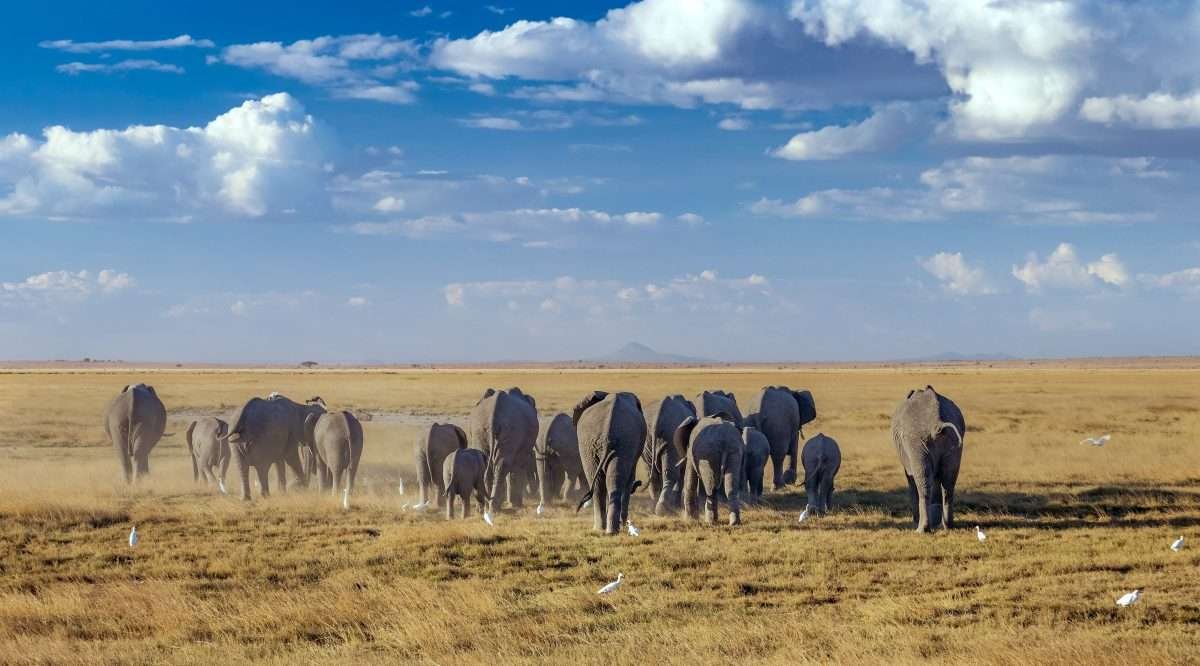
- Kenya and Tanzania are Elephant Hotspots – Amboseli National Park in Kenya is famous for its large elephant herds with breathtaking views of Mount Kilimanjaro. In Tanzania, Tarangire National Park and Serengeti National Park are prime locations to observe these gentle giants.
- Elephants are Endangered but Protected – Due to habitat loss and poaching, elephant populations have declined, but conservation areas and anti-poaching measures have helped stabilize their numbers. Kenya and Tanzania continue to be leading nations in elephant conservation, ensuring future generations can witness these incredible animals in the wild.
Elephant Conservation
Elephants face significant threats from habitat loss, human-wildlife conflict, and poaching for ivory, making conservation efforts essential for their survival. In East Africa, national parks and wildlife reserves serve as safe havens where elephants can roam freely, protected from poachers and human encroachment. These parks provide vast landscapes for elephants to migrate, ensuring access to food, water, and breeding grounds. Conservation programs also focus on reducing human-elephant conflict by working with local communities to create buffer zones and develop sustainable solutions that allow people and wildlife to coexist peacefully.
Kenya and Tanzania are at the forefront of elephant conservation, with national parks like Amboseli, Tsavo, and Samburu in Kenya and Serengeti, Tarangire, and Ruaha in Tanzania offering protected habitats. These parks employ rangers and use modern technologies like drone surveillance and GPS tracking to monitor elephant movements and deter poachers. Anti-poaching initiatives, supported by local and international conservation groups, have helped stabilize and even increase elephant populations in some areas. Additionally, eco-tourism provides funding for conservation programs, with park entrance fees and guided safaris directly supporting elephant protection.
Beyond security measures, conservation efforts focus on elephant welfare, research, and education. Organizations work within national parks to rescue injured elephants, rehabilitate orphaned calves, and monitor the overall health of herds. Research on elephant behavior, migration patterns, and genetics helps inform better conservation strategies. Education programs raise awareness among local communities and visitors, highlighting the importance of elephants in maintaining healthy ecosystems. By protecting elephants in national parks and reserves, East Africa ensures these magnificent animals continue to thrive for generations to come.
Elephant FAQs - Find Answers to All Your Questions About Elephants!

Elephant Biology Facts & FAQs
How much does an elephant weigh?
On average, a grown elephant weighs between 2,700 to 6,000 kg (6,000 to 13,000 lbs), depending on the species. African elephants are the largest, with males reaching up to 6,800 kg (15,000 lbs), while Asian elephants are generally smaller. Their massive size helps them survive in the wild, providing strength for foraging, defense, and long migrations.
How tall is an elephant?
Elephants typically grow to a height of 2.5 to 4 meters (8 to 13 feet) at the shoulder, depending on the species. African elephants are the tallest, with males reaching up to 4 meters (13 feet), while Asian elephants are slightly smaller, averaging around 2.7 meters (9 feet). Their towering height, combined with their massive size, makes them the largest land animals on Earth.
How long are elephants pregnant?
Elephants are pregnant for approximately 22 months, making them the mammals with the longest gestation period. This extended pregnancy allows for the development of their highly intelligent and complex brains. Newborn elephant calves weigh around 100 kg (220 lbs) at birth and rely on their mothers and the herd for protection and guidance.
How much does a baby elephant weigh?
A baby elephant weighs approximately 100 kg (220 lbs) at birth, though some can be as heavy as 120 kg (265 lbs). African elephant calves tend to be slightly larger than their Asian counterparts. Despite their size, newborn elephants are highly dependent on their mothers and the herd for care and protection.
Are elephants herbivores?
Elephants are indeed herbivores, meaning they only eat plant-based food such as grass, leaves, fruits, and bark. They consume up to 150 kg (330 lbs) of vegetation daily to sustain their massive bodies. Their diet plays a crucial role in shaping ecosystems, as they help disperse seeds and create pathways in dense vegetation.
What do elephants eat?
Elephants eat a variety of plant-based foods, including grass, leaves, bark, fruits, and roots. They consume up to 150 kg (330 lbs) of vegetation daily, using their trunks to grab food and their tusks to strip bark from trees. Their diverse diet helps maintain the balance of ecosystems by controlling plant growth and dispersing seeds.
How do elephants use carbohydrates?
Elephants use carbohydrates as a primary energy source to sustain their large bodies and daily activities. They obtain carbohydrates from plant-based foods such as grass, fruits, and bark, which provide essential sugars and fiber for digestion. These nutrients help fuel their movement, support growth, and maintain overall health in the wild.
How do elephants use fats?
Elephants use fats as a vital energy reserve, helping them sustain their large bodies during periods of food scarcity. They store fats primarily around their internal organs and beneath their thick skin, providing insulation and cushioning. These fat reserves also support essential bodily functions, including maintaining energy levels for their long migrations.
Can elephants swim?
Elephants are adept swimmers and often enjoy taking a dip in rivers or lakes. They use their trunks as natural snorkels while swimming, enabling them to breathe easily even when submerged. Their powerful legs and buoyant bodies allow them to navigate through water with surprising ease despite their large size.
How long do elephants live?
Elephants live an average of 60 to 70 years in the wild, with some individuals reaching over 75 years. Their lifespan depends on factors such as species, habitat, and threats like poaching and habitat loss. In protected environments like national parks, they often live longer due to conservation efforts and reduced human threats.
Why do elephants have trunks?
Elephants use their trunks as a versatile tool for survival, helping them to drink water, pick up food, and communicate. This unique adaptation also allows them to grasp objects, bathe, and even express emotions, making it essential for their daily activities in the wild.
Are elephants smart?
Elephants are smart creatures, known for their exceptional memory and problem-solving abilities. They exhibit advanced social behaviors, using communication through sounds and gestures to bond with others in their herd, showcasing intelligence that rivals some of the most intelligent animal species.
Do elephants have teeth?
Elephants have teeth, including large molars used for grinding tough vegetation. As they age, their molars wear down and are replaced several times throughout their life, helping them adapt to their herbivorous diet in the wild.
Do elephants have hair?
Elephants do have hair, though it is sparse and not very noticeable due to their thick skin. The hair is most visible on their tails, around their ears, and on young calves, where it provides some protection and helps with sensory functions.
Elephant Conservation FAQs
Are elephants endangered?
Elephants are classified as endangered, with their populations threatened by poaching for ivory, habitat loss, and human-wildlife conflict. Conservation efforts are underway to protect these majestic creatures, but their survival depends on continued global awareness and action.
How many elephants are left in the world?
There are an estimated 415,000 elephants left in the wild, with the majority living in Africa. However, their numbers have been steadily declining due to poaching and habitat loss, highlighting the urgent need for conservation efforts to secure their future.
FAQs on Elephants in Culture
What do elephants symbolize?
Elephants symbolize wisdom, strength, and longevity, revered for their deep social bonds and exceptional memory. In many cultures, they are seen as symbols of good fortune and prosperity, representing a connection to the natural world and the importance of conservation.
In Hinduism, elephants are deeply revered, with the god Ganesha, the elephant-headed deity, symbolizing wisdom, success, and the removal of obstacles. Ganesha is widely worshipped across India and other parts of Asia, with festivals like Ganesh Chaturthi dedicated to honoring his presence and blessings.
Are elephants afraid of mice?
Elephants are not inherently afraid of mice, despite the popular myth. This misconception was popularized by cartoons like Disney’s Dumbo, where an elephant is humorously shown reacting fearfully to a tiny mouse, but in reality, elephants are not bothered by such small creatures in the wild.
What is a group of elephants called?
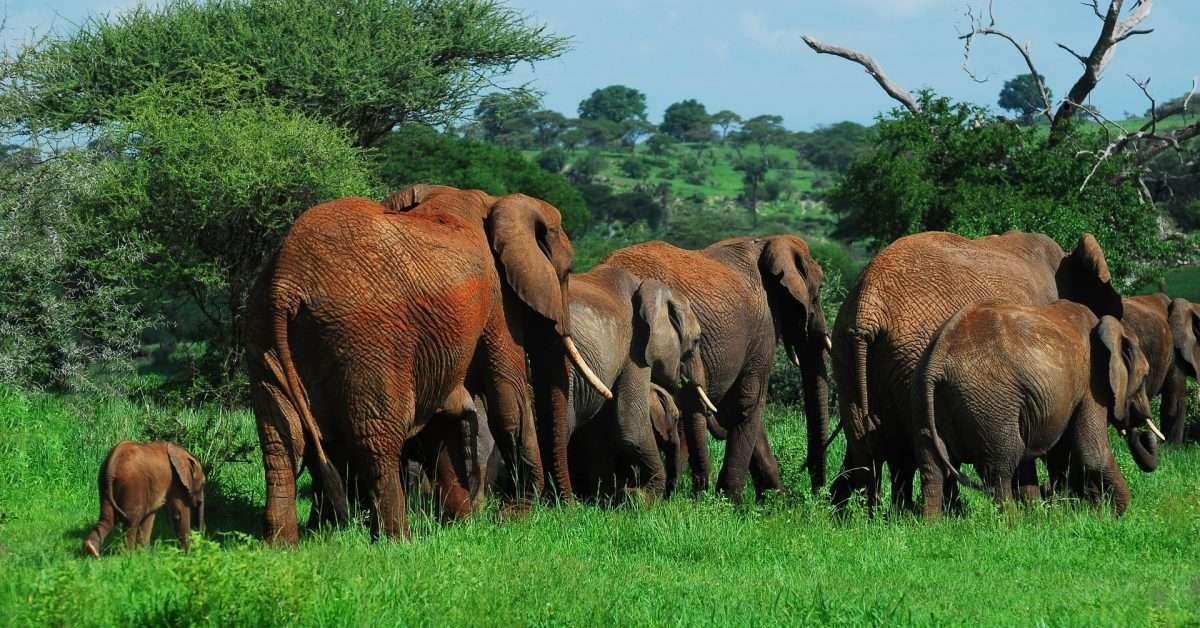
A group of elephants is called a herd, which is the collective noun used to describe these majestic creatures. Herds are usually led by the oldest female, and they maintain close social bonds, working together to protect and nurture their young in the wild.
What is an elephant walk?
An elephant walk is a term used to describe the distinctive, slow, and purposeful gait of elephants as they move together in a herd. This walk reflects their massive size and steady movement, often seen as a symbol of strength and tranquility in the wild. The term also refers to a military aircraft formation, where planes taxi in a close-knit line, resembling the slow and deliberate movement of elephants. Additionally, Elephant Walk is the title of a 1954 film, starring Elizabeth Taylor and Peter Finch, set in colonial Burma, where the elephants’ movement is symbolic of the tension between human and animal nature.
What does the word “elephant” mean?
The word “elephant” means a large, herbivorous mammal known for its long trunk and tusks. Its etymology traces back to the Greek word elephas, meaning “ivory” or “elephant,” which later influenced the Latin word elephantus. This reflects the animal’s significance in ancient cultures, particularly for its ivory tusks.
Elephant Safari FAQs
Where can I see elephants in Kenya?
You can see elephants in Kenya at renowned national parks and reserves such as Amboseli National Park, Tsavo National Park, and Samburu Game Reserve. These protected areas offer excellent opportunities to witness elephants in their natural habitat, where they roam freely and thrive amidst stunning landscapes.
Are there elephants in Tanzania?
Yes, there are elephants in Tanzania, particularly in famous national parks like Serengeti, Tarangire, and Ruaha. These parks are home to large populations of elephants, where they can be observed in their natural environments, often alongside other wildlife in Tanzania’s vast and diverse landscapes.
Can I see elephants on safari?
Yes, you can see elephants on safari, especially in renowned African destinations such as Kenya, Tanzania, and South Africa. These majestic animals can often be spotted in national parks like Amboseli, Serengeti, and Chobe, where they roam freely in their natural habitats. Safari guides know the best locations and times to observe elephants as they interact in herds, forage, and bathe. Elephants are one of the “Big Five” animals, making them a top attraction for safari-goers. Experience the awe of seeing elephants up close with Aether safari collection.
Love Elephants? See One for Real on Safari!
No amount of reading or learning about elephants can truly capture the awe of witnessing these magnificent giants in their natural habitat. Seeing them roam freely, interact with their herds, and showcase their intelligence is an unforgettable experience. Join Aether safari collection on an expertly guided safari to encounter elephants up close in Kenya and Tanzania’s breathtaking national parks. Let the wonder of the wild come to life before your eyes!
Choose Your East Africa Safari Tour
Our Africa Safaris in Kenya, Tanzania & Zanzibar
Check out our many East Africa safari tours:
NAIROBI EXCURSIONS & DAY TRIPS
Aether safari collection offers you full and half-day excursions & trips from Nairobi
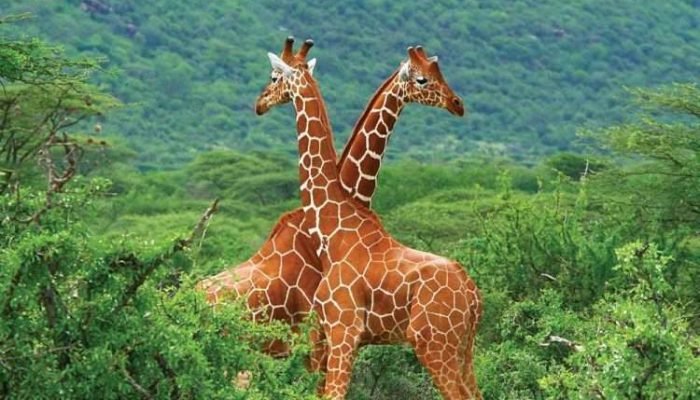
KENYA SAFARI TOURS FROM NAIROBI
Explore our multi-day Kenya safari adventures ranging from 2 - 12 days from Nairobi - Africa's safari capital
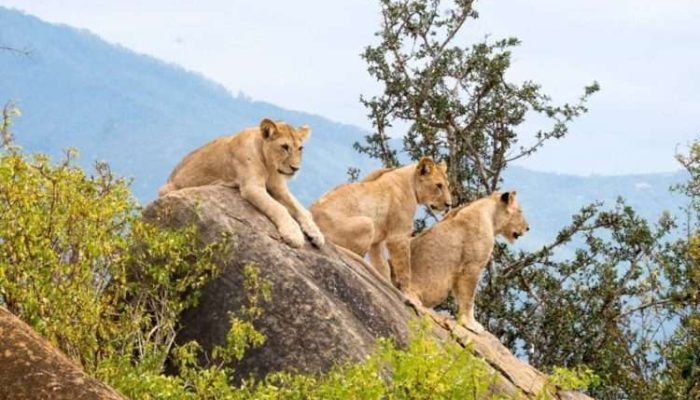
NAIROBI TO DIANI BEACH SAFARIS
Enjoy a Kenya wildlife safari then finish up your holiday at Kenya’s Diani Beach.

DIANI BEACH KENYA SAFARIS & ACTIVITIES
Explore our Kenya safaris from beach resorts of Diani - voted Africa's leading beach destination
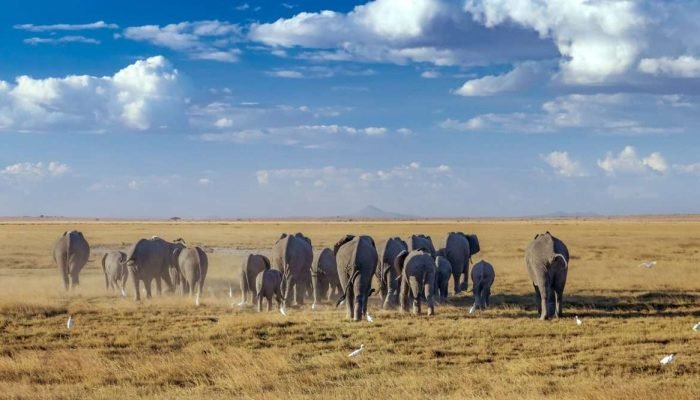
AMBOSELI KENYA SAFARIS
Explore Amboseli - best place to see large herds of free-ranging elephants and scenic views of Mount Kilimanjaro
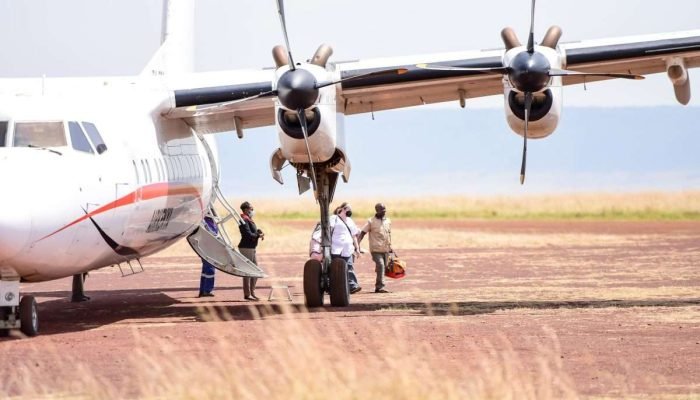
KENYA FLIGHT SAFARIS
Book Kenya flight Safaris and explore Masai Mara, Amboseli, Samburu & Lewa Conservancy.
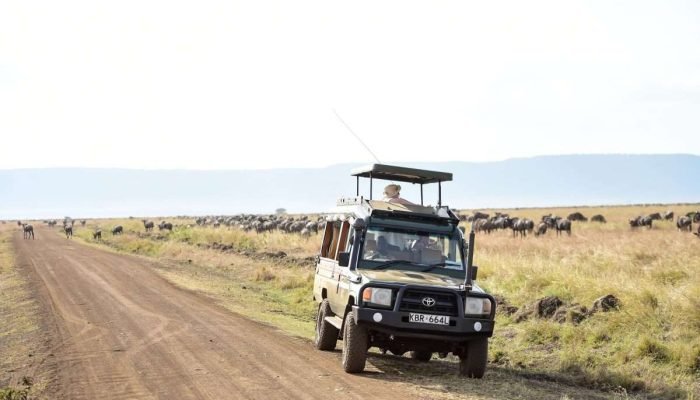
MASAI MARA KENYA SAFARIS
Masai Mara is home of the Great Wildebeest Migration, Big Five of Africa, Big cats, Masai culture etc.
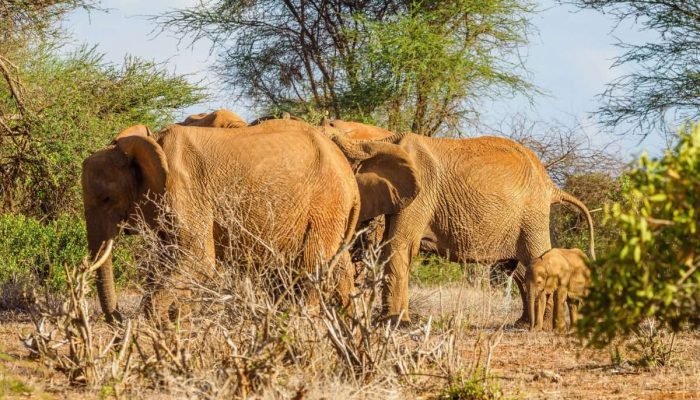
KENYA BEACH TO NAIROBI SAFARIS
Book Exciting African safaris from Diani beach resorts.
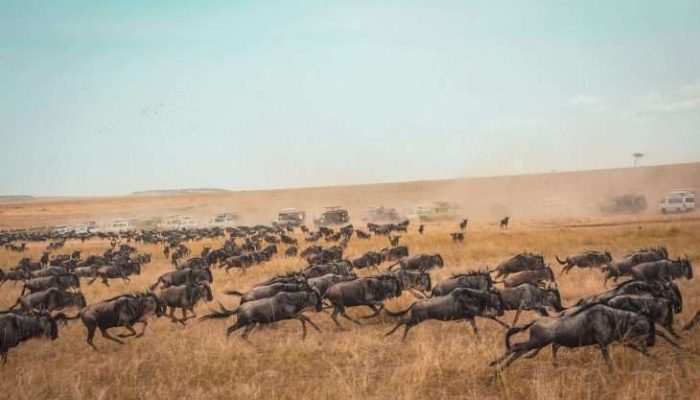
KENYA-TANZANIA SAFARIS
Experience wildlife parks, beaches and mountains of Kenya & Tanzania.
KENYA SAFARI & DIANI BEACH
Experience the best of both worlds - a thrilling Kenya safari and a dream Diani beach vacation

KENYA SHORT GROUP SAFARIS
Join our exciting Kenya short Group safari Tours from Nairobi in 4x4 safari jeeps
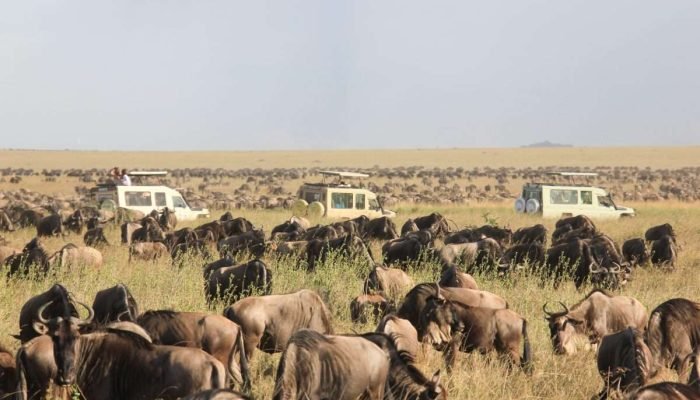
TANZANIA SAFARI HOLIDAYS
Exciting 4x4 Tanzania safaris from Arusha town. Explore Serengeti, Ngorongoro, Manyara & Tarangire.

ZANZIBAR BEACH HOLIDAYS
Pre/post your African safari holiday in Kenya & Tanzania, 'escape' to Africa's leading beach destination - Zanzibar!

MOUNTAIN CLIMBING ADVENTURES
Best Africa mountain climbing adventure tours. Climb Mount Kenya and Mount Kilimanjaro

EAST AFRICA BEACH HOLIDAYS
Best family-friendly beach holidays on the sandy beaches of Mombasa, Diani, Malindi, Watamu, Lamu & Zanzibar
HOLIDAY EXPERIENCES
You came to Africa to live an experience – to see the lions, leopards, great marching elephants up close & so much more!
Customize your dream African safari
At Aether safari collection we are always flexible with your options, we will offer our thoughts on seasons, budgets, lifestyle, accommodations, first-hand experience of the parks, and all the possible activities to fill out your safari story. We’ll work with your impressions and dreams and add our ideas on which to build your adventure.